

The relationship between safeguarding and vaping has become one of the most pressing concerns for schools, workplaces, and public spaces across the United Kingdom in 2026. As vaping devices become increasingly sophisticated and accessible to young people, organisations with a duty of care face new challenges in protecting vulnerable individuals from potential harm. Understanding the safeguarding implications of vaping is no longer optional; it represents a fundamental responsibility for anyone charged with protecting the welfare of children, young people, and employees.
The Safeguarding Context of Vaping
Safeguarding and vaping intersect at multiple levels within organisational responsibility frameworks. Under current UK legislation, schools and employers must assess and mitigate risks to health and wellbeing, which now explicitly includes the risks associated with vaping behaviours.
The UK Government's evidence review on e-cigarettes demonstrates that whilst vaping may serve as a harm reduction tool for adult smokers, the risks for young people remain significant. This creates a complex safeguarding landscape where organisations must balance education, prevention, and enforcement.
Legal and Regulatory Obligations
Recent changes to UK law have strengthened the safeguarding duties of schools and employers. The sale of vapes to anyone under 18 remains illegal, yet enforcement challenges persist. Educational settings must now demonstrate active measures to prevent underage vaping on premises.
Key safeguarding obligations include:
- Regular risk assessments covering vaping behaviours
- Clear policies that align with broader child protection frameworks
- Staff training on identifying and responding to vaping incidents
- Partnership working with parents, carers, and external agencies
- Monitoring and evaluation of prevention strategies

The Cheshire West and Chester vaping policy framework provides practical guidance for developing comprehensive approaches that integrate safeguarding principles throughout.
Health Risks and Safeguarding Concerns
Understanding the specific health risks associated with youth vaping is central to effective safeguarding and vaping policies. Recent evidence has transformed our understanding of potential harms, particularly for developing bodies and minds.
A systematic review published in 2026 found concerning links between vaping and respiratory health effects in young people. These findings underscore why safeguarding frameworks must treat vaping as a serious health concern rather than a minor behavioural issue.
Physical Health Implications
| Health Area | Risk Factor | Safeguarding Response |
|---|---|---|
| Respiratory System | Inflammation, reduced lung function | Medical referrals, parental notification |
| Cardiovascular Health | Increased heart rate, blood pressure | Health assessments, monitoring protocols |
| Brain Development | Nicotine addiction, cognitive effects | Educational interventions, support services |
| Chemical Exposure | Unknown long-term effects of flavourings | Precautionary approach, regular review |
Beyond nicotine addiction, safeguarding professionals must consider the gateway effect. Research from Truth Initiative indicates that young people who vape are significantly more likely to transition to traditional cigarettes, creating escalating risks.
Mental Health and Wellbeing
The connection between safeguarding and vaping extends into mental health domains. Young people often use vapes to manage stress, anxiety, or peer pressure, masking underlying issues that require support.
Organisations must ensure their safeguarding responses address root causes rather than simply punishing behaviour. This requires integrated approaches linking behaviour management with pastoral support and mental health services.
Hidden Dangers: Drugs in Vapes
One of the most serious safeguarding concerns emerging in 2026 relates to modified vape devices containing controlled substances. The hidden threat of drugs in vapes represents a significant evolution in risk profiles.
Cannabis oils, synthetic cannabinoids, and other substances can be vaped using devices virtually indistinguishable from standard e-cigarettes. This creates acute safeguarding challenges:
- Difficulty identifying substance use through observation alone
- Increased potency and unpredictable effects
- Criminal exploitation of young people as distributors
- Serious health emergencies requiring immediate intervention
Safeguarding and vaping policies must therefore incorporate drug awareness training and clear protocols for suspected substance misuse.
School-Based Safeguarding Strategies
Educational settings represent the frontline for safeguarding and vaping interventions. Schools face unique challenges balancing educational, pastoral, and enforcement responsibilities.
Multi-Layered Prevention Approaches
Effective school safeguarding requires coordinated action across multiple domains:
- Policy Development: Creating comprehensive vaping policies integrated with behaviour and safeguarding frameworks
- Environmental Design: Identifying and managing high-risk areas such as toilets and changing rooms
- Education and Awareness: Delivering age-appropriate lessons on vaping risks and decision-making
- Early Intervention: Establishing clear pathways from detection to support
- Technology Integration: Deploying detection systems that provide real-time alerts
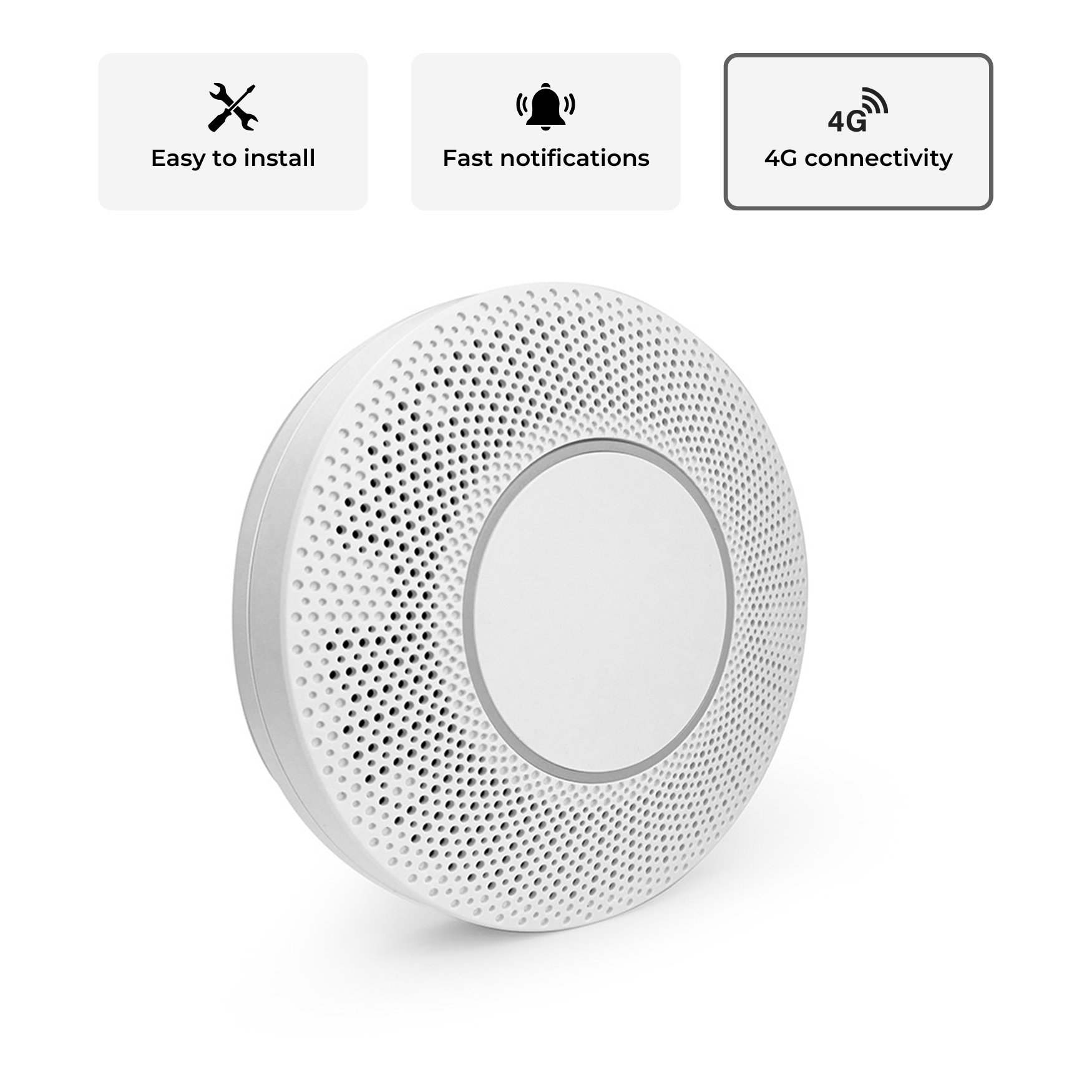
The Vape Detection System provides schools with a practical tool for monitoring high-risk areas whilst respecting privacy. These systems detect vaping, drug use, and anti-social behaviour without cameras, supporting safeguarding objectives through environmental monitoring rather than surveillance.

Schools implementing detection technology report significant reductions in vaping incidents alongside improved safeguarding outcomes. The data generated supports evidence-based policy refinement and targeted intervention planning.

Creating Effective Policies
Robust safeguarding and vaping policies share common characteristics. They must be clear, proportionate, and aligned with statutory guidance whilst remaining flexible enough to address individual circumstances.
Essential policy elements include:
- Definitions of vaping and related behaviours
- Clear consequences graduated by age and circumstance
- Support pathways for students struggling with addiction
- Parental engagement protocols
- Staff responsibilities and training requirements
- Monitoring and review mechanisms
Resources such as guidance on helping schools tackle vaping provide practical frameworks for policy development grounded in safeguarding principles.
Workplace Safeguarding Considerations
Whilst much attention focuses on schools, workplace safeguarding and vaping policies are equally important. Employers have legal duties under health and safety legislation to protect employees from harmful exposures.
Employer Responsibilities
The hidden health risks of vaping in offices extend beyond individual vapers to affect air quality for all occupants. Second-hand aerosol exposure represents a safeguarding concern, particularly for pregnant employees, those with respiratory conditions, or individuals in recovery from nicotine addiction.
Employers must conduct risk assessments addressing:
- Air quality in enclosed spaces
- Exposure to aerosols and particulates
- Accessibility of vaping areas to young workers or apprentices
- Cultural norms that may pressure non-vapers
| Sector | Primary Safeguarding Concerns | Recommended Controls |
|---|---|---|
| Education | Student exposure, role modelling | Smoke-free policies, designated areas away from students |
| Healthcare | Patient safety, clinical environments | Complete prohibitions in clinical areas |
| Manufacturing | Fire risks, chemical interactions | Risk-assessed designated areas |
| Hospitality | Young workers, customer interactions | Clear policies, staff training |
Creating a vape-free business environment supports broader wellbeing objectives whilst demonstrating commitment to safeguarding all employees.
Technology as a Safeguarding Tool
Advances in detection technology have transformed how organisations approach safeguarding and vaping challenges. Modern systems move beyond simple alarms to provide comprehensive environmental monitoring and data analytics.
How Detection Systems Support Safeguarding
Detection technology addresses several critical gaps in traditional safeguarding approaches:
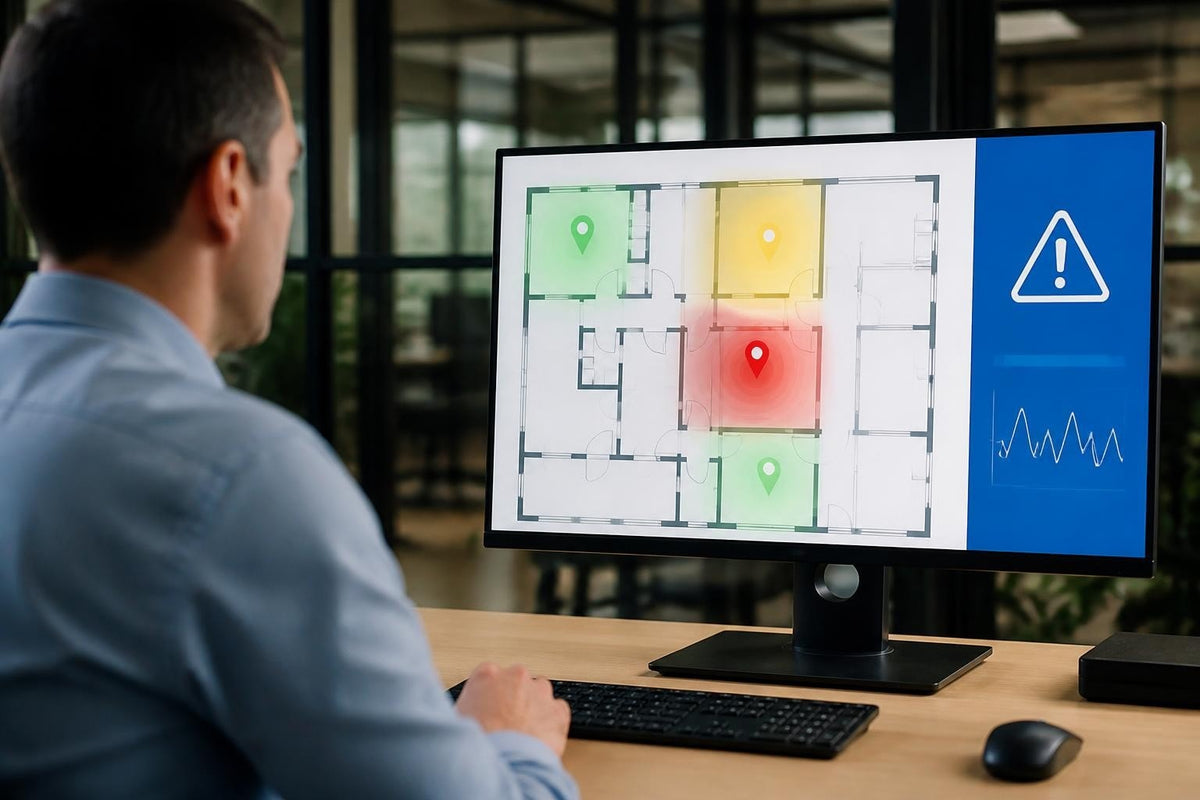
Real-time alerts enable immediate intervention before situations escalate. When sensors detect vaping in toilets or changing rooms, designated staff receive instant notifications allowing swift, appropriate responses.
Evidence-based decision making becomes possible through detailed incident data. Organisations can identify patterns, assess intervention effectiveness, and allocate resources strategically rather than reactively.
Privacy protection remains paramount. Unlike camera-based surveillance, sensor technology maintains dignity whilst fulfilling safeguarding duties. This balance is particularly important in schools where trust and student welfare are inseparable.
Understanding whether vape detectors work in bathrooms helps organisations make informed decisions about technology deployment aligned with safeguarding objectives.
Educational Approaches and Prevention
Technology alone cannot address safeguarding and vaping challenges. Comprehensive prevention requires education that builds resilience, critical thinking, and informed decision-making amongst young people.
Evidence-Based Education Programmes
Effective vaping education moves beyond fear-based messaging to engage young people with evidence and support skill development. The most successful programmes share several characteristics:
- Age-appropriate content delivered progressively
- Interactive methods encouraging active participation
- Integration across curriculum areas, not isolated lessons
- Peer education and positive role modelling
- Family engagement and community partnership
Understanding underage vaping in schools requires acknowledging that young people respond better to approaches respecting their autonomy whilst providing credible information.

Supporting Young People to Quit
When safeguarding concerns arise from established vaping habits, organisations must provide pathways to cessation support. This represents care rather than punishment, aligning with fundamental safeguarding principles.
Support might include:
- Referrals to specialist youth services
- Access to nicotine replacement therapy where appropriate
- Counselling addressing underlying issues
- Family support and engagement
- Monitoring and follow-up to prevent relapse
The American Lung Association resources provide evidence-based guidance on cessation approaches suitable for young people.
Parental Engagement and Partnership
Effective safeguarding and vaping strategies recognise that families are essential partners in protecting young people. Schools and employers cannot succeed in isolation from parents and carers.
Building Productive Partnerships
Many parents feel ill-equipped to address vaping with their children, lacking knowledge about devices, risks, or appropriate responses. Organisations can support families through:
- Information sessions explaining current vaping trends and risks
- Resources for home conversations about decision-making
- Clear communication about policies and consequences
- Support pathways when families identify concerns
- Regular updates on school or workplace initiatives
Transparency builds trust. When parents understand the rationale behind safeguarding and vaping policies, they become advocates rather than critics of organisational approaches.
Policy Development and Implementation
Creating robust safeguarding and vaping policies requires systematic approaches grounded in evidence, consultation, and continuous improvement.
Essential Development Stages
| Stage | Key Activities | Safeguarding Integration |
|---|---|---|
| Assessment | Risk analysis, consultation, evidence review | Link to safeguarding audit processes |
| Drafting | Policy writing, aligning with existing frameworks | Ensure consistency with child protection policies |
| Consultation | Staff, student, parent, governor input | Include safeguarding leads in review teams |
| Approval | Senior leadership and governance endorsement | Board-level safeguarding oversight |
| Implementation | Training, communication, resource allocation | Integrate into safeguarding training programmes |
| Review | Data collection, effectiveness evaluation | Include in annual safeguarding reviews |
Templates and frameworks, such as those for creating vape-free policies, accelerate development whilst ensuring comprehensive coverage of safeguarding dimensions.
Monitoring, Evaluation, and Continuous Improvement
Safeguarding and vaping policies must evolve alongside changing risks, evidence, and societal contexts. Systematic monitoring and evaluation ensure approaches remain effective and proportionate.
Key Performance Indicators
Organisations should track multiple metrics reflecting different dimensions of safeguarding effectiveness:
Incident data reveals patterns in frequency, location, and timing of vaping events. Reductions suggest effective prevention, whilst increases may indicate emerging issues requiring response.
Support pathway utilisation demonstrates whether young people access help when needed. Low numbers might indicate barriers to disclosure or inadequate awareness.
Stakeholder feedback from students, staff, and parents provides qualitative insights into policy impacts, unintended consequences, and improvement opportunities.
Health outcomes tracked through school nursing data or occupational health records indicate longer-term effectiveness.
Understanding UK school vaping laws in 2026 helps organisations benchmark their approaches against regulatory expectations and sector best practice.
Looking Forward: Emerging Challenges
The landscape of safeguarding and vaping continues evolving rapidly. Organisations must anticipate emerging trends to maintain effective protection.
Future Considerations
Product innovation constantly outpaces regulation. New device types, delivery methods, and substance formulations emerge regularly, requiring adaptive safeguarding responses.
Marketing evolution increasingly targets young people through social media and influencer partnerships. Safeguarding strategies must address digital literacy and critical media consumption.
Regulatory changes at both UK and international levels will reshape the compliance landscape. The World Health Organization's position on e-cigarettes influences policy development globally, signalling future directions.
Mental health connections between vaping and psychological wellbeing require deeper investigation. Safeguarding frameworks must integrate emerging evidence about anxiety, depression, and substance use relationships.
Research highlighting that vaping is a gateway to smoking for one in three teens demonstrates why sustained attention to prevention remains essential despite changing tobacco use patterns.
Resource Considerations and Investment
Implementing comprehensive safeguarding and vaping strategies requires resources. Organisations must balance financial constraints against their fundamental duty of care.
Cost-Benefit Analysis
Whilst detection systems, training, and support services involve expenditure, the costs of inaction substantially exceed prevention investments. Hidden costs of allowing vaping include:
- Increased cleaning and maintenance requirements
- Staff time managing incidents reactively
- Potential litigation from inadequate safeguarding
- Reputational damage affecting recruitment and retention
- Health service costs for affected individuals
Structured approaches to understanding vape detector costs and return on investment help organisations make evidence-based procurement decisions aligned with safeguarding priorities.
Safeguarding and vaping represents one of the defining challenges for organisations committed to protecting young people and employees in 2026. By integrating detection technology, evidence-based education, robust policies, and compassionate support, organisations can create environments where health and wellbeing are genuinely prioritised. Vape Guardian provides the advanced detection systems, real-time monitoring, and dedicated support that enable schools, workplaces, and public spaces to fulfil their safeguarding duties effectively whilst building cultures of care and accountability.






Share:
Vape Detector for Commercial Buildings: Complete Guide 2026